Part II: The Hidden Make-or-Break of a 203(k) Rehab Loan: Change Orders & Contingency
Most 203(k) articles explain what the loan is and list what it can cover. Useful… but incomplete.
Because the real reason many 203(k) projects get stressful isn’t the paint color or even the contractor—it’s this:
Renovations rarely go exactly as planned, and 203(k) money can’t just “move around” casually.
That’s where change orders and contingency reserves come in.
If you understand these two concepts early, you avoid the most common “we’re stuck” moment in a 203(k) rehab.
The Most Unique (and Practical) Strategy: Build Your Scope Like a Menu, Not a Story

A lot of 203(k) scopes fail because they read like this:
“Renovate kitchen, update bathroom, replace floors.”
That’s a story, not a plan.
A 203(k)-friendly scope reads like a menu with line items, such as:
Demo: remove existing cabinets, dispose (include haul-away)
Electrical: add X outlets, update circuits as needed, new fixtures (allowance listed)
Plumbing: replace supply lines to fixtures, install shutoff valves
Flooring: install X sq ft LVP, include underlayment, transitions
Paint: walls/ceilings/trim, specify number of coats
Why this matters:
When changes happen, it’s easier to adjust one “menu item” than rewrite the entire project.
Owner-Driven Changes: The #1 Way to Accidentally Derail Your Timeline
Here’s the truth most people don’t hear:
Changing your mind mid-project isn’t just a design decision—it becomes a lending decision.
Common owner-driven changes that create delays:
switching materials that affect labor (tile patterns, specialty installs)
adding work not in the original scope
changing fixtures that require plumbing/electrical modifications
A good rule:
If the change affects permits, structure, plumbing, electrical, or total cost, expect a formal change order.
How to “Pre-Approve Your Flexibility” (Without Breaking Rules)
You can’t predict everything, but you can plan for choices.

Use allowances wisely
For finish items you might change (fixtures, tile, lighting), use realistic allowances in the scope.
Not “the cheapest possible,” but “what you’d actually choose.”
Decide your “non-negotiables” before closing
Pick 3–5 items you won’t compromise on (example: roof, electrical safety, HVAC).
Then keep finishes flexible.
Build a priority ladder
Priority 1: safety + code + water management
Priority 2: mechanical systems
Priority 3: functional upgrades
Priority 4: cosmetics
This ladder keeps decisions easy when surprises show up.
A Simple Example: How One Surprise Can Ripple
Let’s say your scope includes new bathroom tile and vanity.
During demo, contractor finds soft subfloor from an old leak.
That can trigger:
added subfloor replacement cost
additional labor days
updated materials list
change order approval
potential draw schedule shift
Not scary—just structural reality.
And it’s exactly what contingency is for.
Key Takeaway: A Smooth 203(k) Is Less About Renovation Skills and More About “Process Design”
A successful 203(k) rehab isn’t the one with zero surprises.
It’s the one where:
the scope is written in line items,
the budget includes a real contingency buffer,
changes are handled through a predictable approval path.
That’s how you keep your renovation moving without panic.
Plan renovations strategically to avoid appraisal surprises.
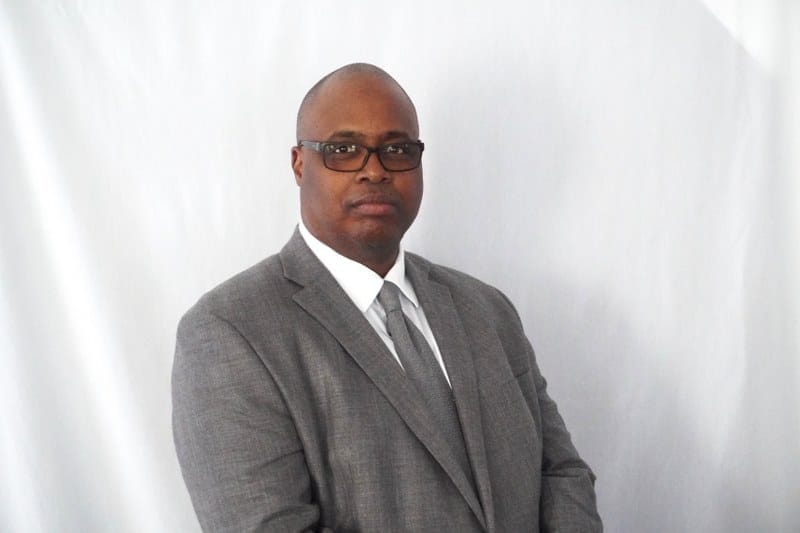
HEY, I'M WALTER L. WILLIAMS
Walter L. Williams was born and raised in the City of Detroit. He has two associate degrees, one in Applied Science Architectural Building Construction Technology from Schoolcraft Collage and an Associate of Arts in Liberal Arts from Henry Ford Collage.
Walter has been in the Building Services business for over 30 years as an Architectural Draftsperson working for Detroit Water and Sewerage, City Engineering Department and his current companies, People, Places & Things LLC, Residential Design and Space Planning, PPT Inspections, Home and Building Inspections, My Rehab Consultant, FHA HUD 203K Consultant and one of the founders of New Decade - New Home Educational.


Home Buyers University: Start Here

Embark on your homeownership journey with New Decade - New Home, a comprehensive program providing valuable insights and education for first-time buyers, those seeking to upsize, or those aiming to create generational wealth through property investment.
Upcoming Events
NDNH Contractor's Lunch and Learn (1 hour):
August 7, 2026, at Detroit Public Library - Campbell Branch
NDNH Contractor's 201 Workshop (3 - 4 Hours):
September 12, 2026 - Contractor 201 Workshop at Our Gathering Place
Workshops (3 - 4 Hours):
September 12, 2026 - Contractor 201 Workshop at Our Gathering Place from 9 am - 12 noon
November 19, 2026 - 10th Annual Veterans Resource Fair. Location: Wayne County Community College NW Campus
Online Webinars (1 hour):
Every 4th Thursday of the month (August 20, 2026)
Contact Us
Phone: 313-799-3760
Email: seminar@newdecadenewhome.com
© New Decade New Home